Building a Custom Home on Your Own Land
If you own land in the Texas Hill Country, we plan the home around the property itself, so the design and the budget fit the land from the start.
Last updated August 15, 2026
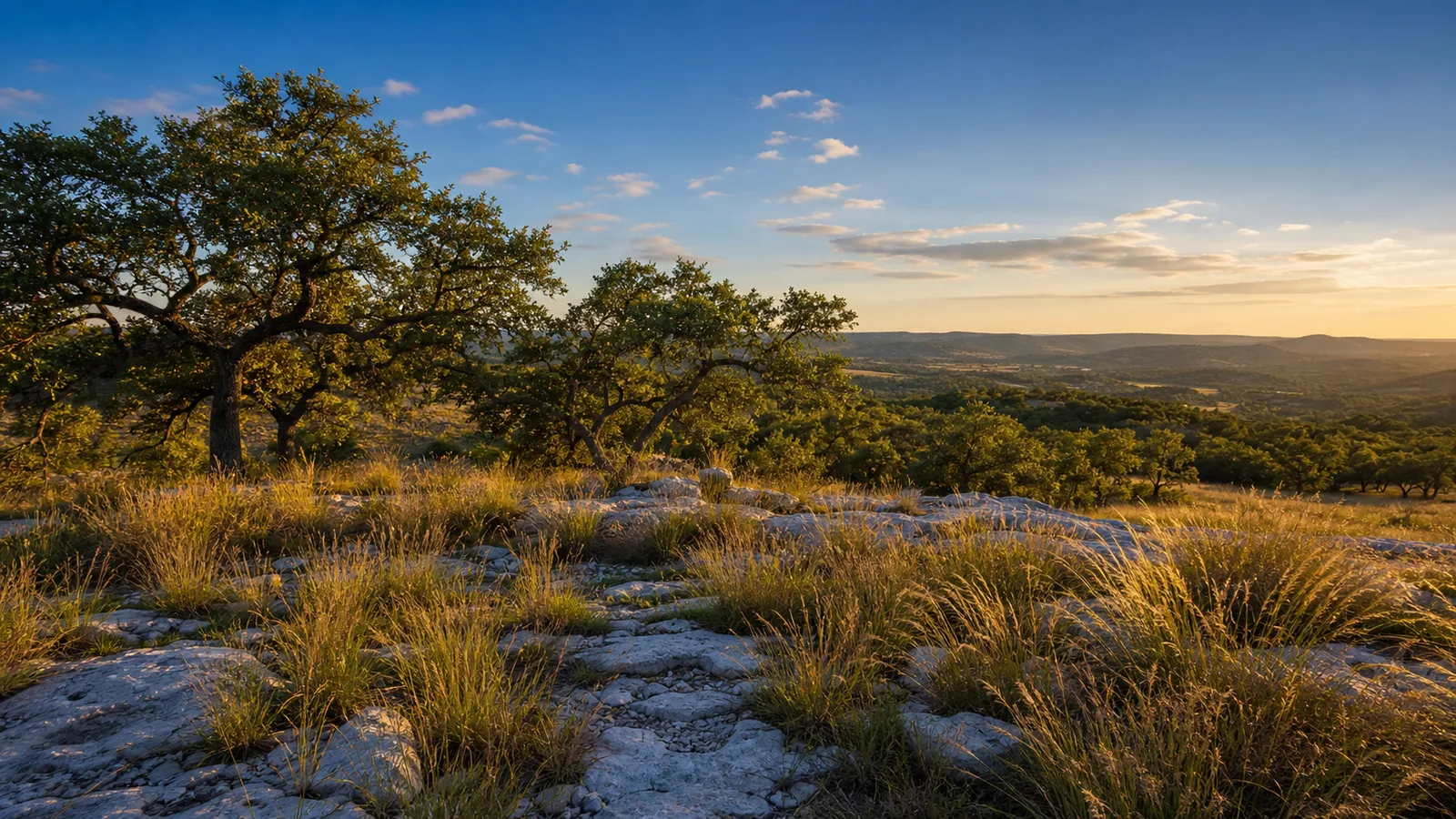
Your Land Leads the Plan
Whether you are building on land you already own, transforming an existing home, or adding a guest house or larger addition, Riverbend helps guide the project with craftsmanship, communication, and a clear path forward. On raw land, that guidance starts with the property: access, slope, trees, ground conditions, wells, and septic. We read the land first, because the best Hill Country homes are designed around what is actually there.
What We Look at Before Design Begins
A site walk answers most of the questions that decide a budget. We do it early, before design decisions harden into costs.
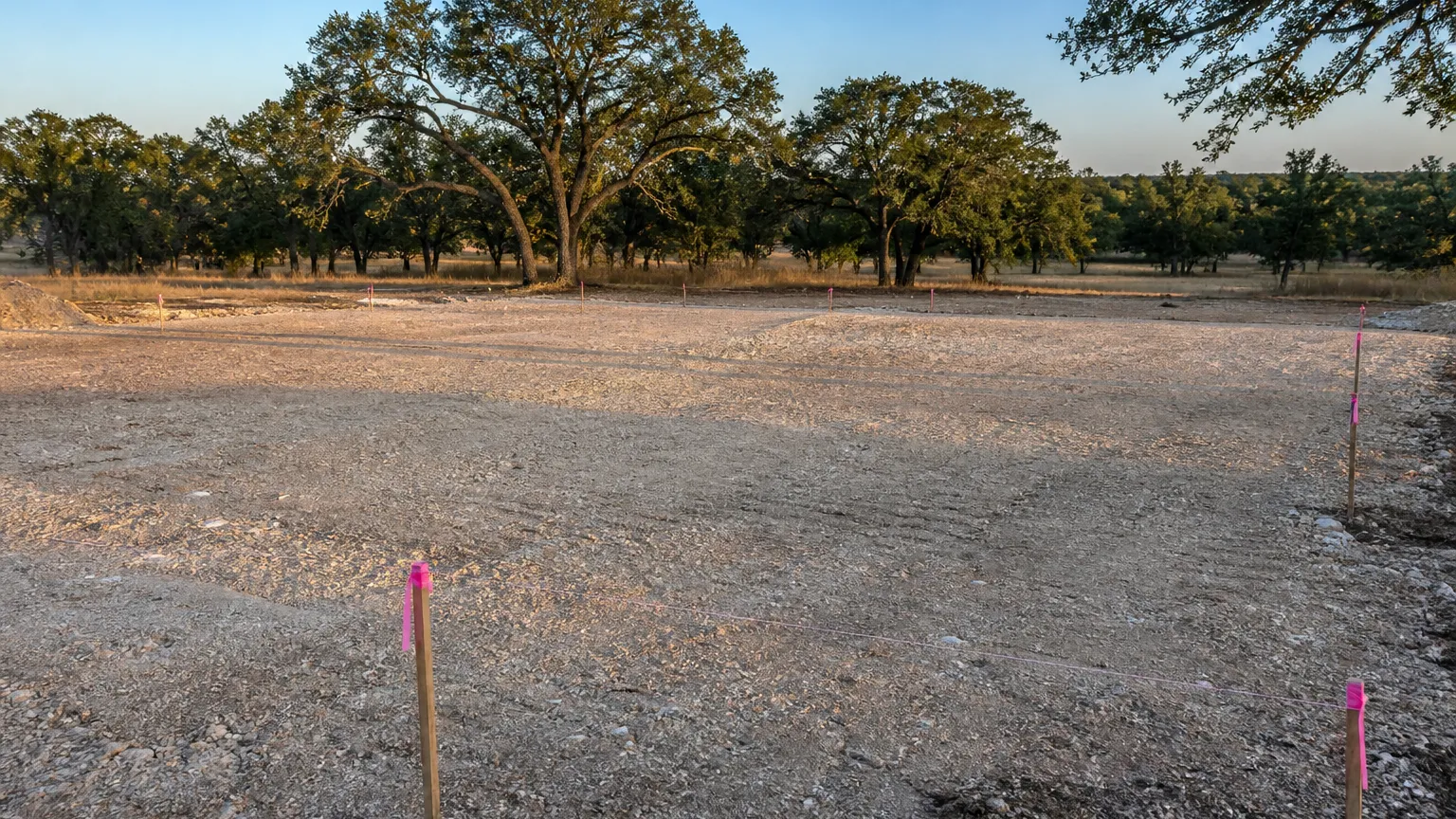
Ground and Rock
Much of the Hill Country sits on shallow limestone, which can affect excavation and the foundation approach. We look at the ground early so the budget reflects the real site.
Book a feasibility call →Water and Septic
Outside city utilities, a private well and an aerobic septic system are standard parts of the plan. Their placement affects how the whole property works.
See where we build →Access, Slope, and Siting
Where the home sits, and how it faces, decides views, drainage, and driveway costs. Good siting is the cheapest quality upgrade a project ever gets.
Explore custom home building →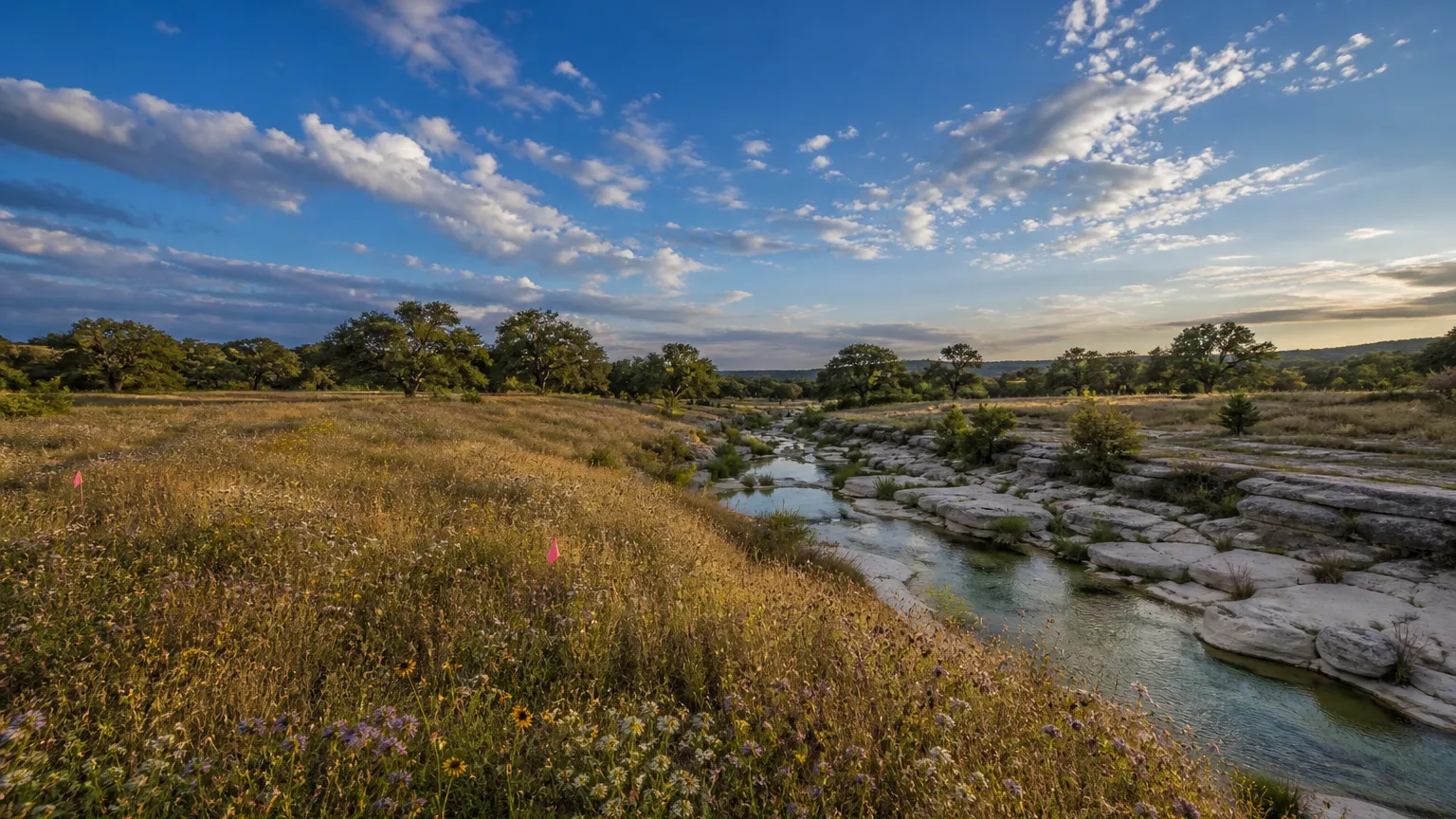
Why the Land Comes First
Two attractive properties can carry very different building budgets, and the difference is usually invisible from the road. Reading the land before design keeps the project honest and protects you from paying to redraw plans that never fit the site.
- The design responds to the property instead of fighting it.
- Site costs enter the budget at the start, not as surprises.
- Trees worth keeping and views worth framing shape the plan early.
- The jurisdiction and review path are confirmed before commitments are made.
Already Own Land? Here Is the Path
The first step is a site walk together. We look at access, slope, rock, water, septic, trees, and the usable building area, and we listen to how you want to live on the property. That conversation usually settles more of the plan than any document.
From there, the design develops around the site and the budget together. In our published planning ranges, new custom construction typically runs $350 to $650 per square foot at comparable finish levels, with land and site work sitting outside that range and priced from the actual property.
Building new typically runs 14 to 20 months. On acreage, site-specific steps like well drilling, septic design, and access work belong in the schedule from the start, and we plan them that way.
Still Looking at Land? Walk It With Us First
If you are comparing lots, a builder's eyes help before you sign. A parcel can feel generous while concentrating its costs below the surface, in rock, access, or utilities, and a smaller lot with better conditions can be the stronger buy.
We are glad to look at a property you are considering and give you a straight read on what it would take to build there. That conversation costs you nothing and can save a great deal.
Our guide to land buying in the Hill Country covers the checklist we use, and the feasibility conversation applies it to the specific parcel you are weighing.
Not Just New Builds on Raw Land
Owning land does not always mean starting from zero. Some of our best projects add to what a property already has: a guest house or casita for family, a larger addition that expands the main home, or a major renovation, even a full home remodel, of an existing house on good land.
The same land-first thinking applies either way. The property sets the possibilities, and the plan should honor them.
Whatever stage you are at, reaching out early often leads to a smoother path forward. Most first conversations start with coffee and a tape measure.
"As an architect I have had the pleasure of collaborating with Vanessa and Dan on several projects and can attest to their knowledge, skill and professionalism."
Questions About Building on Your Land
Can you build on land I already own?
Yes. We build custom homes on homeowner-owned land across the Texas Hill Country, and we start by walking the property with you so the design and budget fit the land from the start.
Do you help evaluate land before I buy it?
Yes. We are glad to look at a property you are considering and give you a straight read on access, rock, water, septic, and what it would take to build there, before you commit.
What does site work cost on Hill Country land?
It depends entirely on the property, which is why we walk it first. Rock excavation, wells, septic, access, and grading vary widely from lot to lot, and we would rather price the real site than quote a number that will not hold.
Do I need a well and septic system?
Outside city utility service, usually yes. A private well and an aerobic septic system are standard parts of most acreage plans, and their placement affects the whole property, so we plan them early.
How does limestone affect building?
Shallow rock can affect excavation and the foundation approach before it affects anything visible. The impact varies lot by lot, so we look at the ground early and carry a sensible allowance until conditions are confirmed.
How long does it take to build on my land?
Building new typically runs 14 to 20 months, with site-specific steps like well drilling and septic design built into the schedule from the start.
Can you add a guest house or casita to my property instead?
Yes. Guest houses, casitas, and larger additions are core parts of our work, and they are often the highest-value square footage a Hill Country property can add.
What areas do you serve?
We serve Austin, Dripping Springs, Wimberley, Lakeway, Bee Cave, Spicewood, and surrounding Texas Hill Country communities.
Have Land, or Looking at Some?
Put the property in front of us and we will give you a straight read on what it supports. Most first conversations start with coffee and a tape measure.